Warning: this review may contain spoilers.
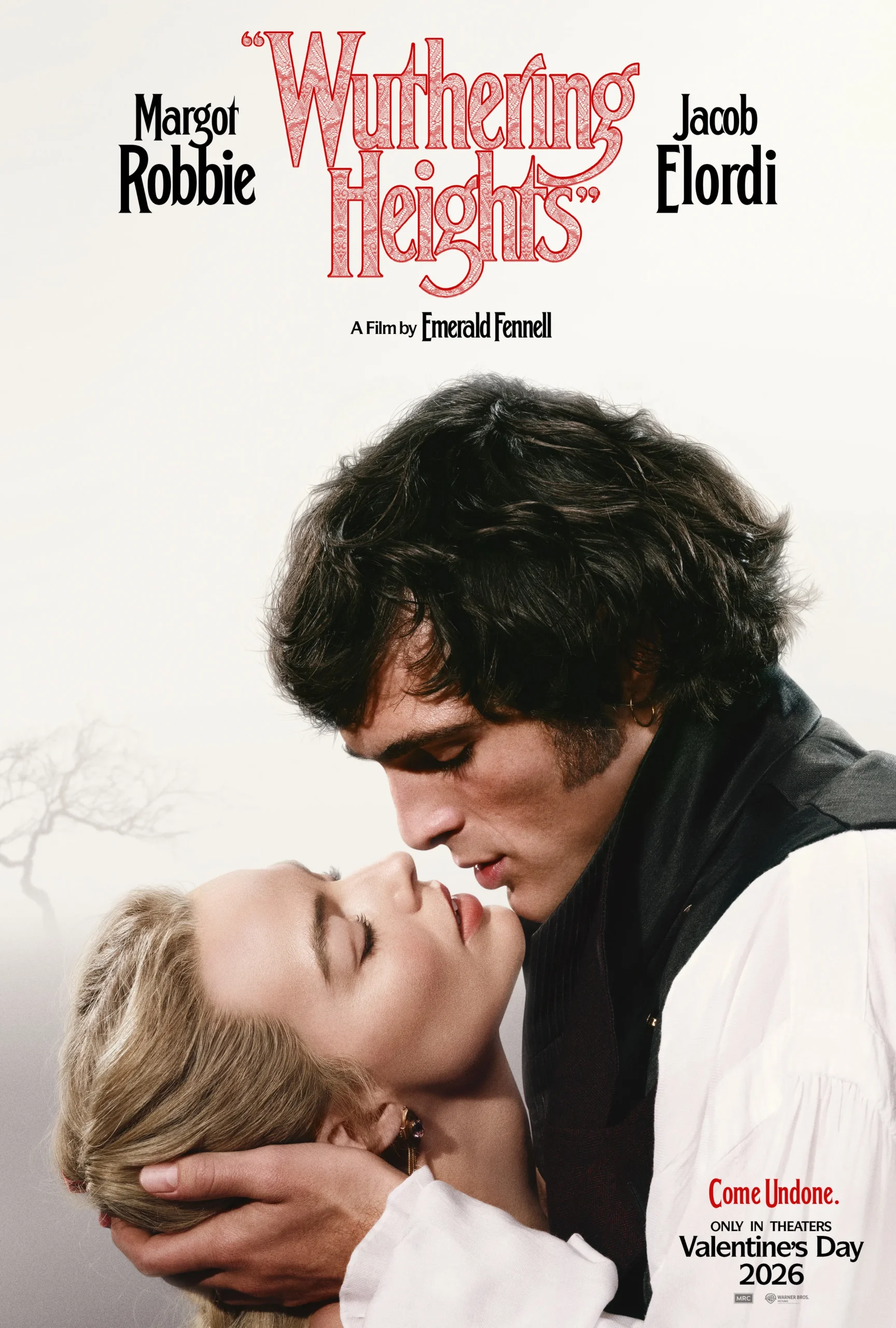
The quotation marks included in the title of Emerald Fennell’s “Wuthering Heights” emphasize the purpose of the film: an inspired-by adaptation of Emily Brontë’s classic novel that strays from the original to achieve a heart-wrenching love story. Through a perspective-change from Nelly (Hong Chau) to Catherine (Margot Robbie), Fennell romanticizes the gaudy love story between Cathy and Heathcliff — a love story that haunts not only the characters, but viewers as well.
While Heathcliff (Jacob Elordi) receives most of Mr. Earnshaw’s physical abuse (primarily to spare Catherine from the brunt of it), Catherine grows up facing varying levels of emotional abuse and, until Heathcliff arrives, takes solace in Nelly’s presence. But as Catherine and Heathcliff’s relationship intensifies, Nelly’s resentment towards the both of them grows. Upon the arrival of Edgar Linton (Shazad Latif), Nelly does not hesitate to drive a wedge between Catherine and Heathcliff to make room for Mr. Linton and create a better life for herself and Catherine. As the engagement and marriage of Catherine and Mr. Linton commence, Heathcliff escapes to a better life, only returning once he is wealthy and deems himself worthy of Catherine; Catherine agrees, initiating an affair with Heathcliff and, simultaneously, her downfall.
Fennell’s signature-style of alluring cinematography and mise-en-scène immerses viewers in the world of the film. Intricate framing and editing emphasize the relationship between Catherine and Heathcliff: internal framing of doorways and windows highlight the isolation they feel when they are not together, whereas graphic relational editing draws on parallels between the two characters, as well as between the past and present. Similarly, tasteful costume designs foreshadow the fate of Catherine and Heathcliff’s relationship, with the setting of the two estates playing an active role in the narrative as the emotional distance between Catherine and Heathcliff fluctuates near and far.
Brontë’s novel is one of my favorite books of all time, so I have mixed opinions on Fennell’s film. While I wish Heathcliff was played by a person of color (this is such a pivotal point in the book!), I appreciate the new perspective of Catherine’s that showcases the romance — albeit a toxic one — between herself and Heathcliff. The stylistic choices made by both the actors and the directors throughout the film aid in provoking the soul-stirring emotions that arise through observing the desperate love developed between the two characters as they mature. I left the theater experiencing and carrying the entirety of the film’s emotional heaviness.
Comments
2 responses to ““Wuthering Heights””
I really appreciate your centering of this as an “inspired-by adaptation” because it’s a crucial part (I think) of how it should be recognized and engaged with.
I agree! The film was much more enjoyable (at least to me) without the expectation that it would be exactly like the book. 🙂